
Your Attractive Heading
What We Do
Intervening in Non-Compressible Haemorrhage
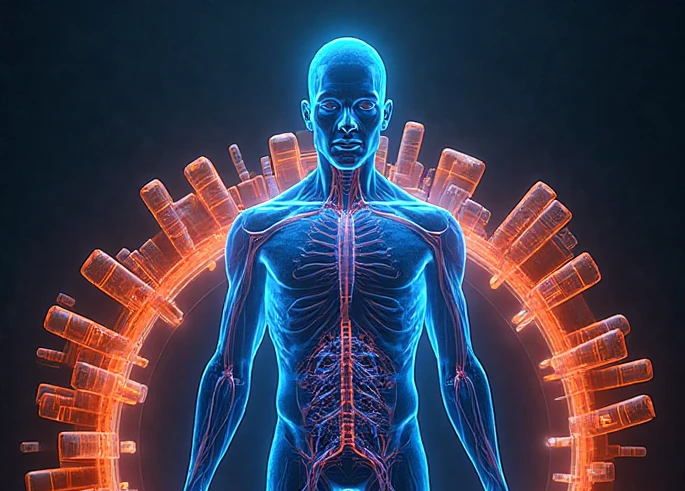
At Neuro-Insertion Solutions Ltd, we are pioneering AI-driven digital twins to revolutionise emergency trauma care, particularly in combat and high-stakes settings where non-compressible haemorrhage (NCH) poses a lethal threat. Our Emergency Assistant System will provide personalised digital twins of the vascular system, leveraging pre-scan data like ultrasound or CT to simulate hemodynamics in real-time.
Key challenges in NCH — such as rapidly locating bleeding sources, tailoring interventions to unique physiologies, and ensuring swift data transfer to surgeons—are addressed through our neuro-symbolic approach.
Algebraic modelling, refined over 15 years, simulates complex interactions like fluid dynamics and predicts optimal scenarios for haemorrhage control, including REBOA timing, haemostatic agents, or ligation. AI agents guide the search, mitigating combinatorial explosion for faster, verifiable results.
In field conditions, portable ultrasound integrates with the digital twin to detect bleeding via pressure sensors and AI-trained models, generating multiple safe intervention sequences while monitoring constraints like tissue perfusion or ischemia risks. This technology, grounded in collaborations with Ukrainian military medics, ensures real-world applicability.
Benefits include reduced mortality through personalised protocols, enhanced surgeon decision-making, and seamless integration with electronic medical records.
Preventing, Detecting, and Supporting Musculoskeletal Conditions
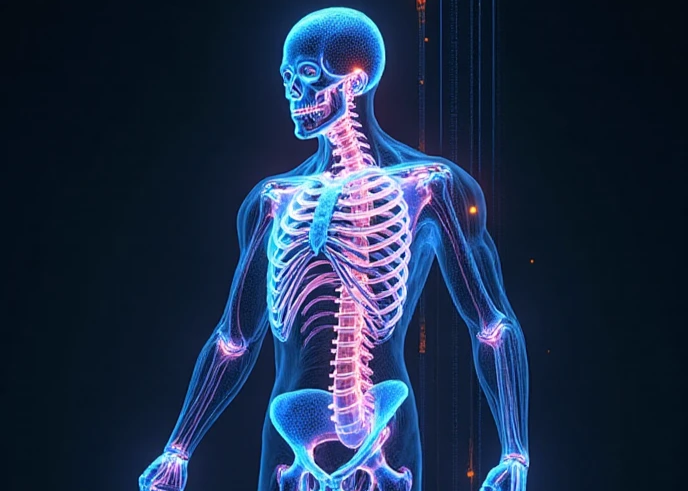
Neuro-Insertion Solutions Ltd approach harnesses neuro-symbolic digital twins to transform musculoskeletal (MSK) care, preventing injuries, detecting risks early, and supporting rehabilitation. By modelling biomechanics with data from wearables, IoT sensors, and anonymised health records, our technology provides verifiable, personalized simulations of joint, muscle, and bone interactions.
Our innovation integrates AI for rapid pattern recognition—analysing posture, gait, and activity to predict risks like joint strain or arthritis—with algebraic modelling for precision and transparency, overcoming AI’s “black box” limitations. This enables proactive prevention, such as flagging muscle fatigue before injury, and real-time detection of deviations like inflammation or tendon stress.
For support, the digital twin simulates rehabilitation strategies, generating tailored exercises, ergonomic adjustments, and return-to-work plans. It is supposed to be coordinated with NHS systems and employers via GDPR-compliant APIs, reducing absences by simulating phased returns based on job demands and health status. Treatment personalization extends to cellular levels, modelling protein interactions and genetic profiles to optimize drug selection.
Benefits: 20-30% fewer sick days, improved wellbeing, and equitable access for diverse groups.
Creation of Treatment Scenarios of Wound Healing
Unlocking the complexities of wound healing, Neuro-Insertion Solutions Ltd employs neuro-symbolic digital twins to simulate biological processes and generate optimised, personalised intervention protocols.
Our technology models multi-level interactions—from tissue regeneration to cellular and molecular dynamics—drawing on algebraic systems proven in virus-cell simulations and protein interactions.
Using data from imaging (e.g., MRI) and sensors, the digital twin recreates wound environments, incorporating factors like inflammation, collagen deposition, and angiogenesis.
AI-driven agents accelerate scenario exploration, guided by formal algebraic verification to ensure accuracy and avoid combinatorial overload. This includes modelling apoptosis (programmed cell death) and chemical reactions, as demonstrated in our prior work on vesicular stomatitis virus interactions.
Treatment scenarios are tailored to individual genetics and wound types, predicting outcomes for interventions like haemostatic gels, dressings, or growth factors while monitoring risks such as infection or scarring. Integration with real-time data allows dynamic adjustments during healing.
This approach reduces healing times, minimises complications, and cuts costs by replacing resource-intensive trials with virtual simulations. Ideal for trauma, surgery, and chronic wounds, it advances equitable care and sustainability.
Predictive Cardiovascular Monitoring
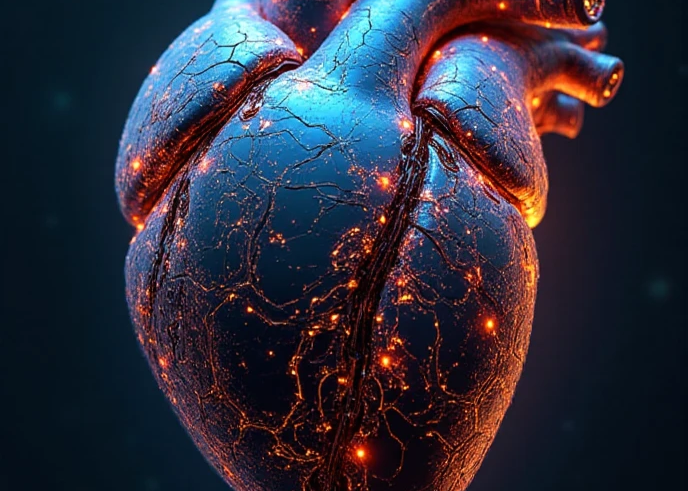
Neuro-Insertion Solutions Ltd’s digital twins technology proposes advanced predictive cardiovascular monitoring, simulating dynamics from real-time wearable data to detect critical conditions early and assess personalised risks. Our neuro-algebraic framework combines AI’s efficiency with algebraic precision, creating reliable models of heart and vascular systems.
Data from cardiac gadgets (e.g., ECG wearables) feeds into the twin, which simulates haemodynamics for blood flow and diffusion models for tissue interactions. AI identifies patterns signalling crises like atrial fibrillation, verified algebraically against physiological constraints for high accuracy.
It will predict heart conditions via neural-guided modelling. Features include real-time alerts, scenario generation for interventions (e.g., medication timing), and post-event monitoring to prevent recurrence.
Benefits: Enhanced quality of life through proactive care, reduced hospitalisations, and GDPR-compliant data handling with synthetic datasets. Applicable in everyday health, sports, and critical infrastructure (e.g., monitoring for high-risk professions), it promotes sustainability by minimising physical tests.